A beautiful venue deserves more than a beautiful photograph of an empty room. Traditional venue photography often has one simple purpose: show the space. A wide-angle photograph from the corner. Straight lines. Everything visible. The room, the furniture, the pool, the terrace. And there is nothing wrong with that. But a photograph can do much more. It can make someone imagine themselves there. It can make them feel the warmth of the afternoon, hear the glasses on the table, imagine a long lunch with friends or picture themselves waking up in that room with the Mediterranean light coming through the shutters. That is where lifestyle venue photography begins.
Don't photograph the room. Photograph the experience.
When someone looks at a photograph of a hotel, villa, restaurant or wedding venue, they are rarely buying the room itself. They are buying what they imagine happening there. A weekend away. A wedding. A long dinner. A quiet morning. A celebration with friends. A place to escape to. So why photograph it as if you are creating an architectural floor plan? The goal isn't only to show people what a venue looks like. It is to show them what it feels like to be there.
From documentation to emotion
Imagine a beautiful Mediterranean bedroom. You could photograph it perfectly. The bed is made. The curtains are open. Every corner is visible. The image is technically flawless. Or you could photograph the same room differently. Morning light entering through the window. A linen sheet slightly folded back. A book on the bedside table. A pair of sandals on the floor. A coffee waiting outside on the terrace. Suddenly, the photograph tells a story. You don't just see a bedroom. You imagine waking up there. That small difference can completely change the way a potential guest experiences an image.
People don't always need to be in the photograph
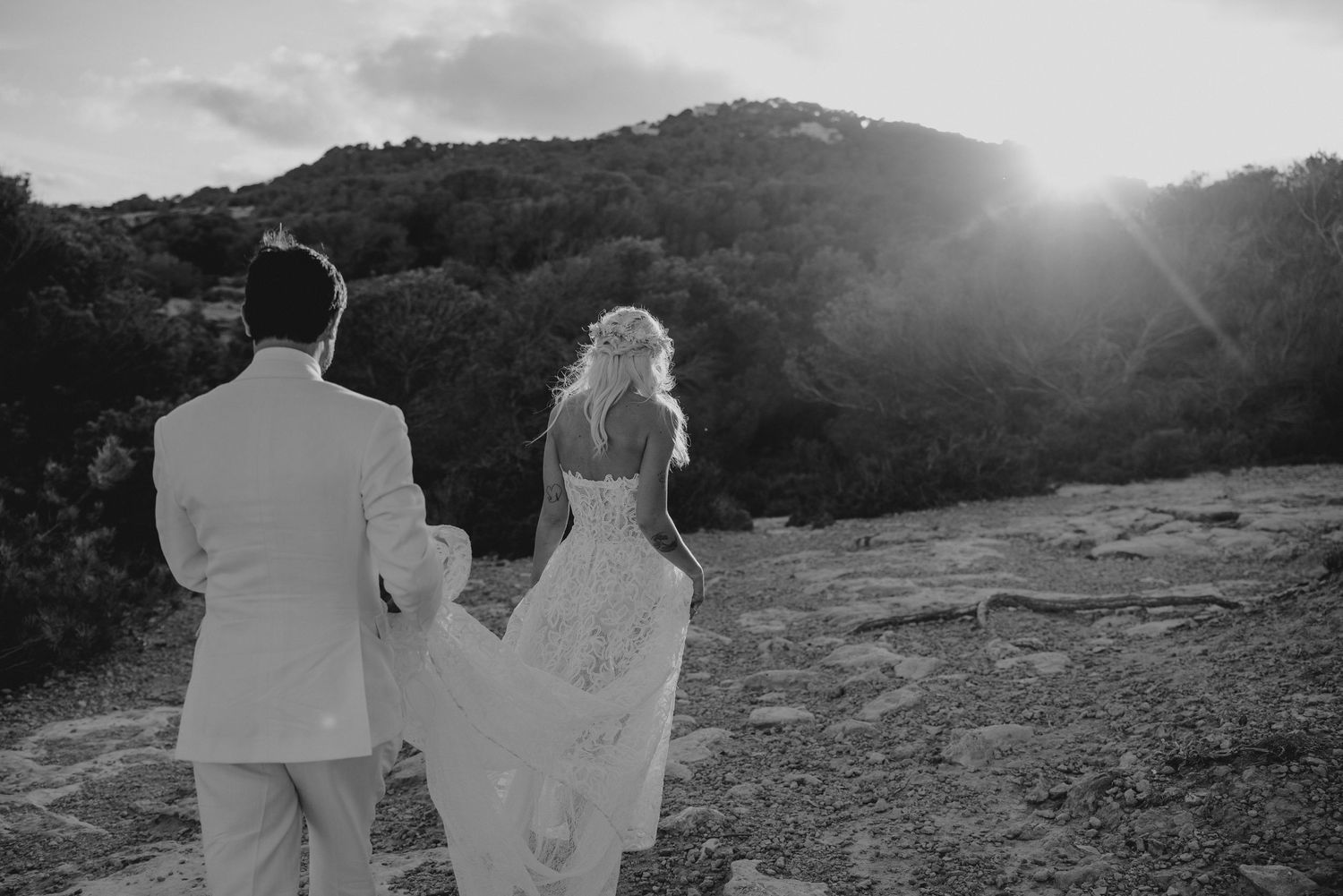
Lifestyle photography doesn't necessarily mean filling every photograph with people. Sometimes the suggestion of a person is enough. A chair pulled away from the table. Two wine glasses. A towel beside the pool. A half-open door. A breakfast that has just been served. A dress hanging in the bedroom. A table after dinner. These details create a sense of life without turning the venue into a staged photoshoot. And when people are included, they don't always need to look at the camera. In fact, they usually shouldn't. A couple talking over breakfast. Friends laughing around a table. Someone walking through the garden. A guest swimming in the pool. A chef preparing dinner. The moments feel real because they are not about the camera.
The architecture still matters
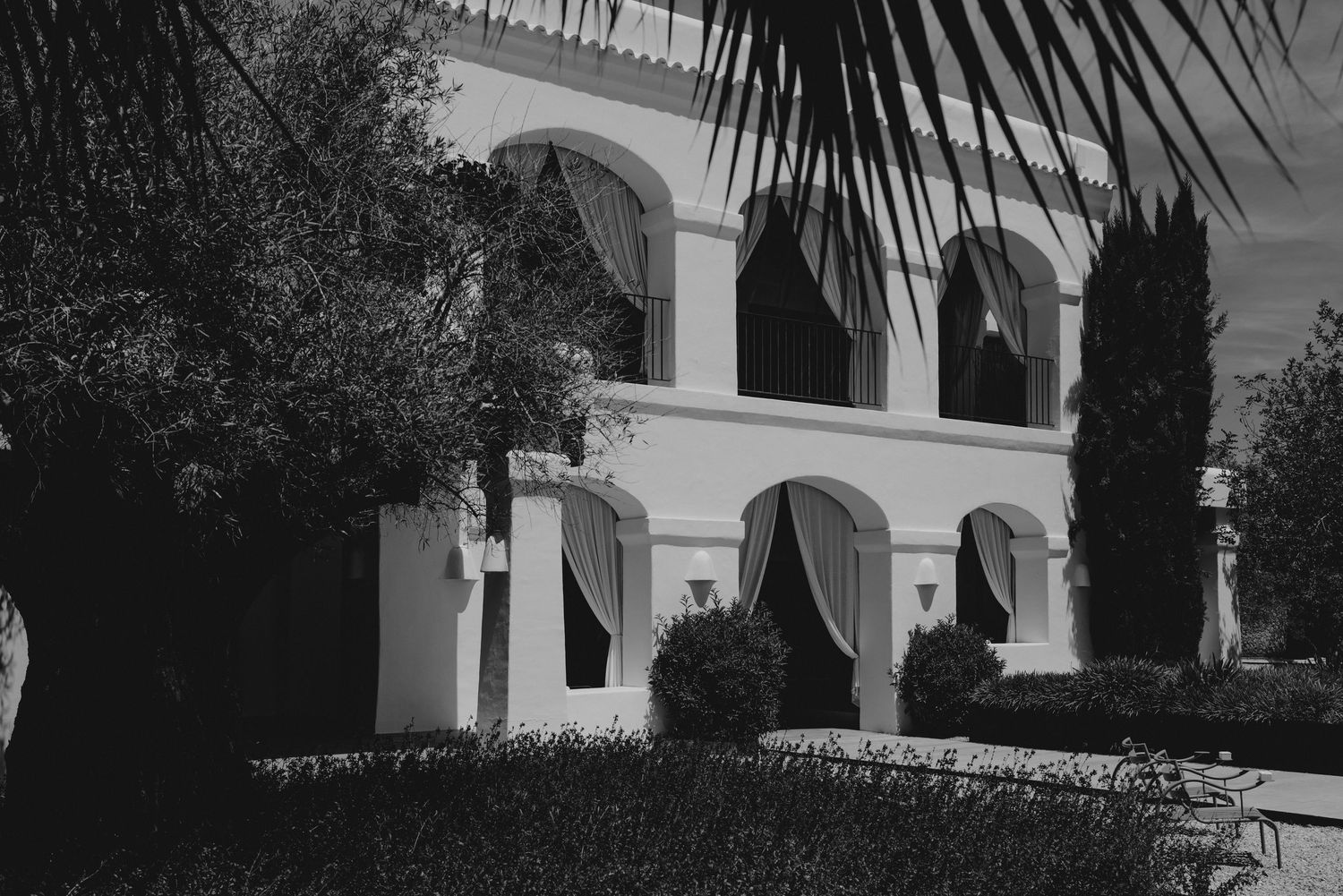
Lifestyle photography doesn't mean ignoring the building. Quite the opposite. Architecture, interiors and design are part of the story. The difference is in how they are photographed. Instead of simply showing a beautiful doorway, you might photograph someone walking through it. Instead of only showing the pool, you might capture the reflection of the surrounding landscape in the water. Instead of photographing a terrace as an empty space, you might photograph the late afternoon light, a table prepared for dinner and the view beyond it. The architecture becomes part of the experience rather than the subject alone.
Light is part of the story
This is where photography becomes particularly important. A venue can look completely different at 9am, 2pm and sunset. The morning can feel quiet and fresh. The afternoon can feel warm and energetic. The evening can become intimate and atmospheric. Rather than trying to make every space look identical, lifestyle photography embraces these changes. The light becomes part of the identity of the venue. And sometimes the most powerful photograph isn't the widest or clearest one. It is the one where the light makes you want to be there.
Creating a sense of place
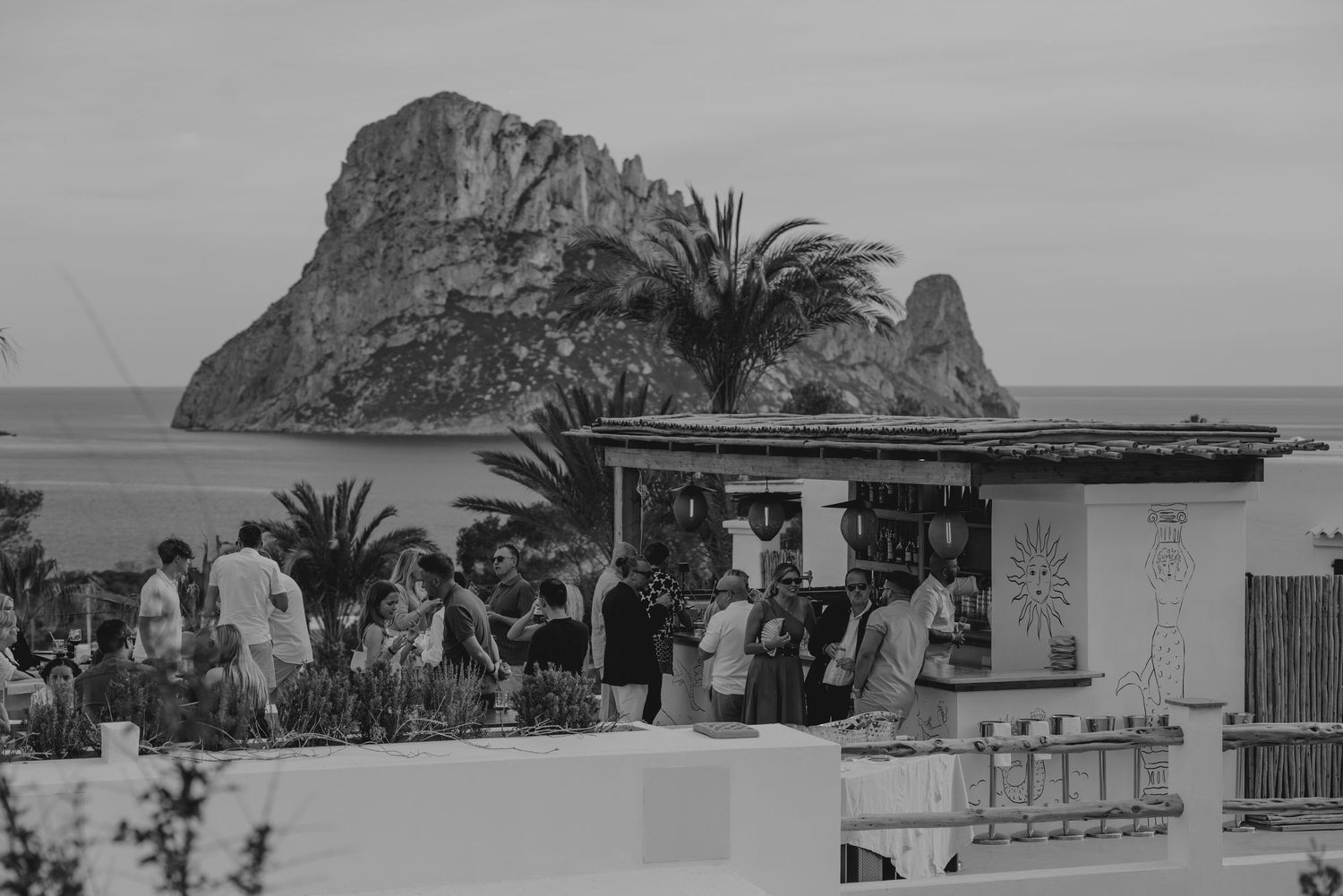
Especially in destinations like Ibiza, the venue doesn't exist in isolation. The landscape is part of the experience. The old stone walls. The Mediterranean vegetation. The sea. The dry earth. The sound of the trees in the wind. The white architecture. The long summer evenings. A venue photograph should sometimes step outside the venue itself. Show the road leading towards it. The landscape around it. The view from a bedroom. Someone walking through the garden. A table underneath the trees. Because people aren't only choosing a building. They are choosing a place.
Photography that makes people stop scrolling
There is also a practical reason for approaching venue photography this way. People see hundreds of images every day. Another perfectly symmetrical photograph of an empty hotel room might communicate information. But it doesn't necessarily create desire. A photograph with atmosphere can make someone stop. It can create curiosity. It can make them imagine themselves in the scene. And that is incredibly valuable for hotels, villas, restaurants, wedding venues and lifestyle brands. Because ultimately, you're not just selling a space. You're selling the feeling that comes with it.
A different way of photographing venues
My approach to venue photography sits somewhere between lifestyle, editorial and documentary photography. I still want to show the architecture and the spaces clearly. But I also want to show the moments that happen around them. The morning coffee. The afternoon swim. The dinner. The people. The light. The details. The imperfections. The atmosphere. The things that make a place feel alive. Because the best venue photographs don't simply answer the question:
"What does this place look like?" They answer a much more interesting question: "What would it feel like to be there?"
And that is the kind of photography I want to create.